-
-
Select options This product has multiple variants. The options may be chosen on the product page
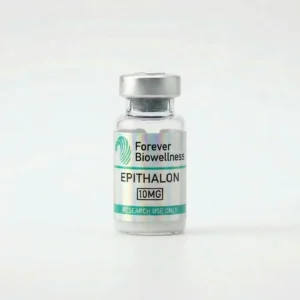
- Longevity and healthy aging
Epithalon
- $ 70
- Epithalon (Epitalon) Telomerase Activation Research Peptide Epithalon is a synthetic tetrapeptide (Ala-Glu-Asp-Gly) studied in laboratory settings for its interaction with telomerase expression and cellular aging pathways. Originally developed in longevity research models, Epithalon has been investigated for its potential influence on telomere-related signaling and age-associated biological markers. Because of its connection to cellular lifespan mechanisms, Epithalon has become a focus…
-
-
-
-
Select options This product has multiple variants. The options may be chosen on the product page
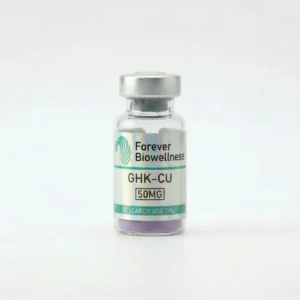
- Longevity and healthy aging, Recovery and repair, Skin and beauty
GHK-CU
- Price range: $ 45 through $ 65
- GHK-Cu Copper Peptide Research Compound GHK-Cu (Glycyl-L-Histidyl-L-Lysine Copper) is a naturally occurring copper-binding tripeptide investigated in laboratory settings for its interaction with tissue remodeling, extracellular matrix signaling, and dermal biology pathways. In research environments, GHK-Cu has been studied for its role in skin structure models, collagen organization, and age-related cellular signaling.
-
-
-
- Out of StockRead more

- Skin and beauty, Recovery and repair
GHK-Cu/KPV 50mg/20mg
- $ 70
- GHK-Cu / KPV Blend 50mg GHK-Cu / 20mg KPV Advanced Skin & Tissue Research Peptide Blend GHK-Cu / KPV is a research peptide blend combining two compounds with complementary areas of scientific interest involving skin biology, tissue remodeling, inflammatory signaling, and cellular recovery. GHK-Cu is extensively researched for its involvement in collagen synthesis, fibroblast activity, extracellular matrix remodeling, antioxidant pathways,…
-
-
-
-
Select options
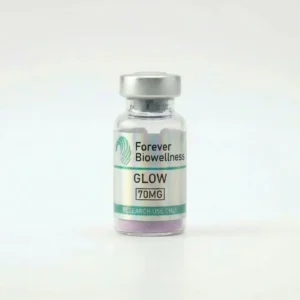
- Recovery and repair, Skin and beauty
GLOW
- $ 80
- GLOW Advanced Skin & Regenerative Research Peptide Blend GLOW is a multi-peptide research formulation combining 50mg GHK-Cu, 10mg BPC-157, and 10mg TB-500 in a single precision-dosed vial. This synergistic blend is designed for laboratory investigation into connective tissue signaling, collagen synthesis pathways, and cellular repair mechanisms. By combining copper peptide signaling with regenerative and actin-regulating research compounds, GLOW is frequently…
-
-
-
-
Select options This product has multiple variants. The options may be chosen on the product page
- Recovery and repair, Skin and beauty
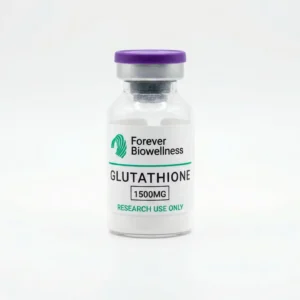
Glutathione
- Price range: $ 45 through $ 70
- Glutathione Master Antioxidant & Detoxification Research Compound Glutathione is a naturally occurring tripeptide composed of glutamine, cysteine, and glycine. In laboratory settings, it is widely studied for its central role in antioxidant defense, cellular detoxification pathways, and redox balance regulation. Often referred to in research literature as a “master antioxidant,” glutathione has become a primary focus in experimental models evaluating…
-
-
-
-
Select options
- Sexual Wellness
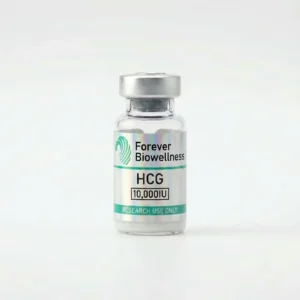
HCG
- $ 50
- HCG (Human Chorionic Gonadotropin) Luteinizing Hormone–Mimetic Research Hormone HCG is a glycoprotein hormone studied in laboratory settings for its ability to mimic luteinizing hormone (LH) activity through LH receptor interaction. In controlled research environments, HCG has been evaluated for its role in reproductive signaling, gonadal function models, and endogenous hormone regulation pathways. Because of its direct receptor activity, HCG has…
-
-
-
-
Add to cart

- Sexual Wellness
HMG
- $ 50
- Advanced Reproductive Hormone Research Compound Human Menopausal Gonadotropin (HMG) is a gonadotropin preparation containing both follicle-stimulating hormone (FSH) and luteinizing hormone (LH) activity. It has become an important compound in reproductive and endocrine research involving fertility, gonadal function, and hormone signaling. Because HMG provides activity associated with both major gonadotropins, it offers researchers a broader approach to studying reproductive hormone…
-
-
-
-
Select options
- Muscle Development and Performance
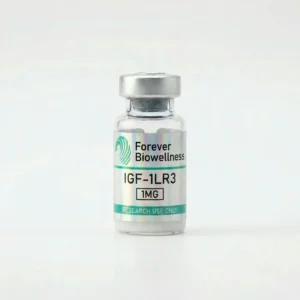
IGF-1LR3
- $ 80
- IGF-1 LR3 Long-Acting IGF-1 Analog Research Peptide IGF-1 LR3 (Long Arg3 Insulin-Like Growth Factor-1) is a modified analog of insulin-like growth factor-1 engineered for extended activity in research environments. Structural modifications reduce binding to IGF-binding proteins, allowing for prolonged receptor interaction in controlled laboratory models. Due to its extended half-life and enhanced receptor availability, IGF-1 LR3 has become a prominent…
-
-
Shop
This is where you can browse products in this store.