-
-
Add to cart
- Recovery and repair
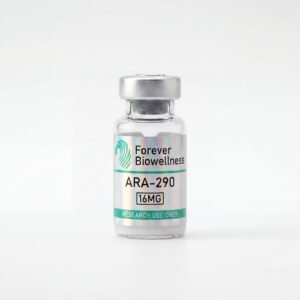
ARA-290
- $ 60
- Innate Repair Receptor (IRR) Agonist Research Peptide ARA-290 is a synthetic peptide derived from the tissue-protective region of erythropoietin (EPO), formulated for laboratory research involving the innate repair receptor (IRR), cellular repair pathways, inflammation signaling, and nerve function. Unlike erythropoietin, ARA-290 has been designed to activate tissue-protective mechanisms without stimulating erythropoiesis, making it a significant focus in regenerative research. This…
-
-
-
-
Select options This product has multiple variants. The options may be chosen on the product page
- Recovery and repair
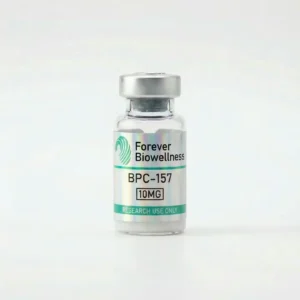
BPC-157
- Price range: $ 45 through $ 70
- BPC-157 Regenerative Signaling Research Peptide BPC-157 is a synthetic 15–amino acid research peptide derived from a protective gastric protein sequence. In preclinical research models, it has been investigated for its role in angiogenesis signaling, cellular migration pathways, and tissue-repair mechanisms. Due to its stability and broad pathway interaction, BPC-157 has become a frequently referenced compound in laboratory studies examining soft…
-
-
-
-
Select options This product has multiple variants. The options may be chosen on the product page
- Recovery and repair
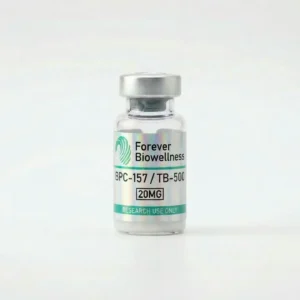
BPC-157/TB-500
- Price range: $ 75 through $ 120
- 10mg BPC-157 with 10mg TB-500 The BPC-157/TB500 “Wolverine Blend” is a combination of two peptides—BPC-157 (Body Protection Compound-157) and TB500 (Thymosin Beta-4)—that work synergistically to support tissue repair, cellular regeneration, and healing processes. Both peptides have been extensively studied in controlled laboratory environments for their regenerative and protective effects on musculoskeletal and connective tissues.
-
-
-
-
Select options This product has multiple variants. The options may be chosen on the product page
- Recovery and repair
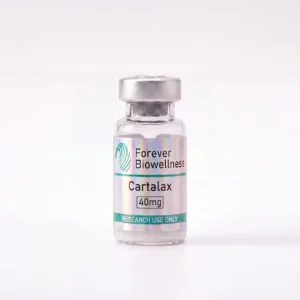
Cartalax
- $ 80
- Cartilage Repair and Tissue-Regulation Research Peptide Cartalax is studied for its potential relevance to cartilage repair, tissue maintenance, and rebuilding processes. Researchers are interested in how this short peptide may influence cartilage cells and the surrounding tissue matrix—the framework that gives cartilage its structure and resilience. This makes Cartalax a compelling subject for laboratory research into how cartilage and connective…
-
-
-
-
Select options This product has multiple variants. The options may be chosen on the product page
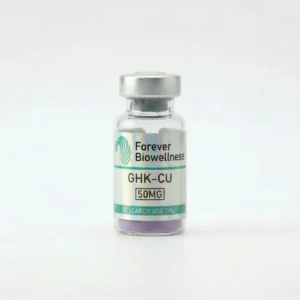
- Longevity and healthy aging, Recovery and repair, Skin and beauty
GHK-CU
- Price range: $ 45 through $ 65
- GHK-Cu Copper Peptide Research Compound GHK-Cu (Glycyl-L-Histidyl-L-Lysine Copper) is a naturally occurring copper-binding tripeptide investigated in laboratory settings for its interaction with tissue remodeling, extracellular matrix signaling, and dermal biology pathways. In research environments, GHK-Cu has been studied for its role in skin structure models, collagen organization, and age-related cellular signaling.
-
-
-
- Out of StockRead more

- Skin and beauty, Recovery and repair
GHK-Cu/KPV 50mg/20mg
- $ 70
- GHK-Cu / KPV Blend 50mg GHK-Cu / 20mg KPV Advanced Skin & Tissue Research Peptide Blend GHK-Cu / KPV is a research peptide blend combining two compounds with complementary areas of scientific interest involving skin biology, tissue remodeling, inflammatory signaling, and cellular recovery. GHK-Cu is extensively researched for its involvement in collagen synthesis, fibroblast activity, extracellular matrix remodeling, antioxidant pathways,…
-
-
-
-
Select options
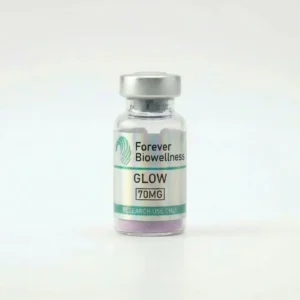
- Recovery and repair, Skin and beauty
GLOW
- $ 80
- GLOW Advanced Skin & Regenerative Research Peptide Blend GLOW is a multi-peptide research formulation combining 50mg GHK-Cu, 10mg BPC-157, and 10mg TB-500 in a single precision-dosed vial. This synergistic blend is designed for laboratory investigation into connective tissue signaling, collagen synthesis pathways, and cellular repair mechanisms. By combining copper peptide signaling with regenerative and actin-regulating research compounds, GLOW is frequently…
-
-
-
-
Select options This product has multiple variants. The options may be chosen on the product page
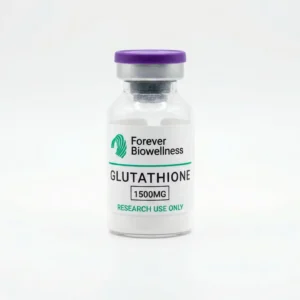
- Recovery and repair, Skin and beauty
Glutathione
- Price range: $ 45 through $ 70
- Glutathione Master Antioxidant & Detoxification Research Compound Glutathione is a naturally occurring tripeptide composed of glutamine, cysteine, and glycine. In laboratory settings, it is widely studied for its central role in antioxidant defense, cellular detoxification pathways, and redox balance regulation. Often referred to in research literature as a “master antioxidant,” glutathione has become a primary focus in experimental models evaluating…
-
-
-
-
Select options
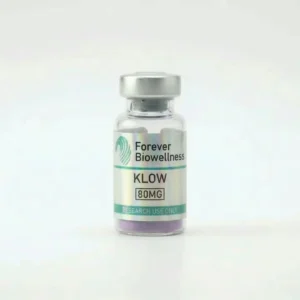
- Recovery and repair, Skin and beauty
KLOW
- $ 85
- KLOW Multi-Peptide Regenerative Research Blend KLOW is a formulated research blend combining four widely studied peptides into a single laboratory-use preparation. This multi-compound formula is designed for investigative work focused on tissue remodeling, inflammatory signaling, vascular response, and dermal biology pathways in controlled research environments. Each component has been individually examined in preclinical models related to recovery, structural integrity, and…
-
-
-
-
Select options
- Recovery and repair
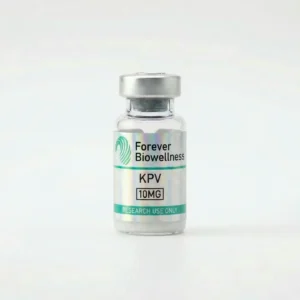
KPV
- $ 45
- KPV (Lys-Pro-Val) Anti-Inflammatory Signaling Research Peptide KPV is a short tripeptide fragment derived from alpha-melanocyte–stimulating hormone (α-MSH). In laboratory environments, KPV is studied for its interaction with inflammatory signaling pathways and immune-modulating mechanisms. Because of its targeted peptide structure and stability, KPV has become a focus in controlled research models evaluating inflammatory response regulation and epithelial tissue integrity. This compound…
-
-
-
-
Select options This product has multiple variants. The options may be chosen on the product page
- Recovery and repair
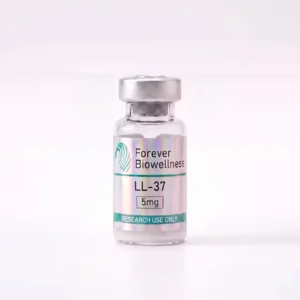
LL-37
- $ 65
- Host-Defense and Immune Research Peptide LL-37 is a human host-defense peptide studied for its role in the body’s first-line immune response. Researchers are especially interested in how it interacts with microbes and helps coordinate immune activity at places where the body meets the outside world, such as the skin and respiratory tract. Potential Research Benefits Antimicrobial activity: Studied for its…
-
-
-
-
Select options This product has multiple variants. The options may be chosen on the product page
- Longevity and healthy aging, Recovery and repair, Weight Management
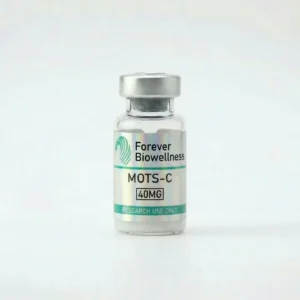
MOTS-C
- $ 80
- MOTS-c Mitochondrial-Derived Metabolic Research Peptide MOTS-c is a mitochondrial-derived peptide studied for its role in cellular energy regulation and metabolic signaling pathways. Encoded within mitochondrial DNA, MOTS-c has become a major focus in laboratory environments examining energy homeostasis, insulin sensitivity, and exercise-related metabolic adaptation. Because of its connection to mitochondrial function, MOTS-c is frequently investigated in research models evaluating endurance…
-
-
-
-
Select options This product has multiple variants. The options may be chosen on the product page
- Longevity and healthy aging, Recovery and repair
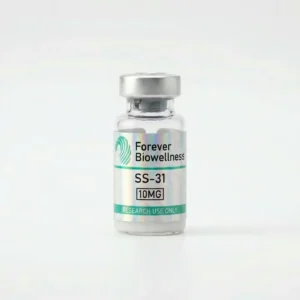
SS-31
- Price range: $ 50 through $ 100
- SS-31 (Elamipretide) Mitochondria-Targeted Research Peptide SS-31, also known as Elamipretide, is a synthetic tetrapeptide studied in laboratory settings for its targeted interaction with mitochondrial membranes. Designed to associate with cardiolipin within the inner mitochondrial membrane, SS-31 has become a key focus in research examining cellular energy production and oxidative stress regulation. Because mitochondrial dysfunction is central to numerous biological processes,…
-
-
-
-
Select options This product has multiple variants. The options may be chosen on the product page
- Recovery and repair
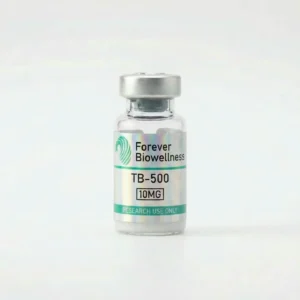
TB-500
- Price range: $ 55 through $ 90
- TB-500 Thymosin Beta-4 Fragment Research Peptide TB-500 is a synthetic research peptide modeled after a functional region of Thymosin Beta-4, a naturally occurring peptide involved in cellular migration and tissue remodeling pathways. In laboratory environments, TB-500 has been widely investigated for its role in regenerative signaling, angiogenesis, and structural tissue repair mechanisms. This compound is supplied at >99% purity and…
-
-
-
-
Select options
- Recovery and repair
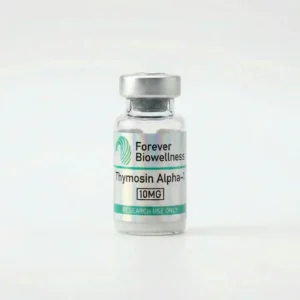
Thymosin Alpha-1
- $ 60
- Thymosin Alpha 1 (Tα1) is a naturally occurring 28-amino-acid peptide that modulates immune system function by binding to receptors on T-cells, dendritic cells, and other immune cell types. It initiates signaling cascades that enhance both innate and adaptive immunity, promoting immune system homeostasis, pathogen defense, and tissue recovery.
-
-
-
-
Select options
- Recovery and repair
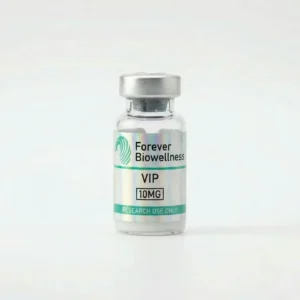
VIP
- $ 65
- VIP (Vasoactive Intestinal Peptide) Neuroimmune & Vasoregulatory Research Peptide VIP (Vasoactive Intestinal Peptide) is a naturally occurring neuropeptide studied in laboratory settings for its involvement in immune modulation, vasodilation signaling, and neuroendocrine regulation pathways. Widely distributed throughout the central and peripheral nervous systems, VIP has become a key focus in research examining inflammatory balance and autonomic function. Because of its…
-
-